
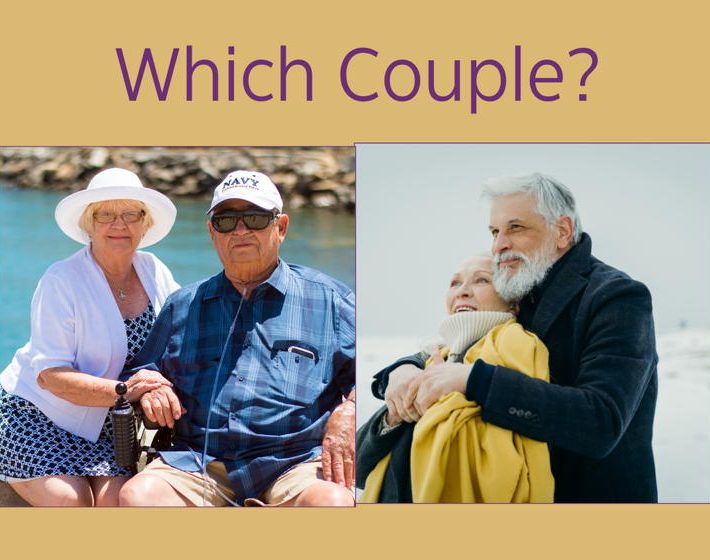
Two households, both alike in dignity….
Shakespeare knew a thing or two about how people act and react. The idea of two similar things, twins in Syracuse, mistaken identities in Illyria, and two households in fair Verona alike in dignity. So what does the Bard have to do with marketing senior living communities? Plenty when you have two newer communities, 15 miles apart, and a need to target a specific audience for each. How? Leveraging insights from their MicroModeling Reports to determine their differences. It’s not just theory. Here’s how two PRS communities in New Mexico used real data to drive real results.
Two Communities
At first glance, the target audience for La Vida LLena and The Neighborhood at Rio Rancho appear similar. Like many marketing campaigns, the initial audience was determined by the usual factors: geography, age, income/net worth/assets and so on. Data showed the average age was within a year for both communities. Since both communities were only 15 miles apart, geography was an issue. That’s where the benefits of MicroModeling Report proved to be worth its weight in gold.
We took a deep dive into who their current residents are to understand who is the right prospect. We looked at demographic segments such as net worth, education, and marital status. Psychographic segments such as lifestyle, interests, and values were factored into the results. And behaviors such as purchasing habits, brand loyalty, and other consumer actions were evaluated. When combined with demographic markers, a clear picture emerged of the ideal prospects for each community.
Instead of two similar communities, their custom MicroModeling Reports identified key differences and similarities:
| The Neighborhood | La Vida Llena | |
| Net Worth | $1.18M | $1.83M |
| Length of Residence | 25.9 years | 19.8 years |
| Married | 71% | 83% |
| Advanced Degree | 75% | 91% |
| Online Activity | 64% | 75% |
In a nutshell, La Vida Llena residents are highly educated and digitally engaged. Neighborhood residents are more traditional. But these differences were only the beginning in learning more about who each audience is and how best to reach them.
Our predictive modeling of each audience analyzed more than 5,000 geographical, demographic, psychographic and behavioral data points. That information was shared in the form of indexed lifestyle lists. In other words, the reports determined that:
| The Neighborhood | La Vida Llena |
| Medicare coverage | Has grandchildren age 5 – 12 |
| Sporting goods card | Travel/entertainment card |
| Bird watching | Fishing |
| Diet to lose weight | Mail order food |
| Sewing, needlework, knitting | Mail order home furnishings |
Differences Can Be Powerful
Looking at the full lists helped us to determine these key lifestyle and behavioral differences between the two audiences. For The Neighborhood, they enjoyed bird watching, gardening, and sewing. Their preferred forms of travel were RVs and foreign trips. And they have a health and wellness focus. The La Vida Llena audience enjoys cooking, reading, and Bible devotionals. They had online households and vacationed in the USA. Their interests were focused on cultural and culinary experiences. These differences, and the rest of the detailed reports, helped form custom strategies for the two campaigns.
Knowing your audience on this level makes it easy to host events that appeal to your prospects, offers them real value, and ensures you have an audience interested in your message. It makes creating customized event strategies so much easier. For example:
| The Neighborhood at Rio Rancho | La Vida Llena |
| Cornell Bird Study event | Chef-led hands-on classes |
| Hands-on container gardening talk | Author signing & lecture |
| Quilt show opening reception | Symphony sneak peek & reception |
| Foreign travel talk | Picnic & public art tour |
| Progressive walking tour | USA travel talk |
Having real data eliminates the guessing game about what your audience wants. That saves you time and money, not to mention the hassles of low attendance or cancelling.
“Who” Matters the Most
And now we come to the moment when planning meets reality. Who do you invite to these custom events? A MicroModeling Report goes beyond generic ZIP Code lists to show you specific numbers based on 10 segments ranging from the highest matched prospects to the least.
For The Neighborhood, the top decile had a universe count of 2,943 individuals, and a performance index score of 607. Segments with an index of more than 100 indicate the portion of the modeled universe with an above-average penetration of modeling targets. The second segment for The Neighborhood had an index of 179. Together, that created an audience of 5,886 people to target. La Vida LLena’s top three segments had index scores of 491, 245, and 101, totalling 7,727 ideal prospects.
Both marketing teams now had an obvious advantage over the same-old approach to crafting a winning campaign. By using the data revealed in their customized MicroModelling Report, they:
- Created highly targeted campaigns
- Saw cost savings on printing, postage, and digital tactics
- Focused on an exact-match audience instead of a look-alike version
- Created custom events that appealed to their specific audience
Instead of relying on only demographics and geography to define an audience, these communities had the advantage of four segmentation opportunities. Using modeled data ensured:
- Exact matches to create the ideal target audience
- Maximizing the budget by focusing on qualified prospects
- Use of actionable data points to create a customized buyer experience
Isn’t it time you chose to speak to your specific audience instead of a generic one? If the answer is yes, or if you’d just like to know more about the power of a MicroModelling Report and how it can empower your team, reach out to Angela. She’d love to help you find your exact match audience.