The 2025 Holleran National Study on Aging from Holleran Consulting has been released. If you haven’t read it yet, here’s what you need to know. This fifth survey in a five-year study reinforces a shift in senior living that many organizations may sense. But too few organizations are developing meaningful strategies to capitalize upon this shift.
tl/dr: The senior living customer has fundamentally changed, but most marketing and sales strategies have not adapted.
Targeting Boomers
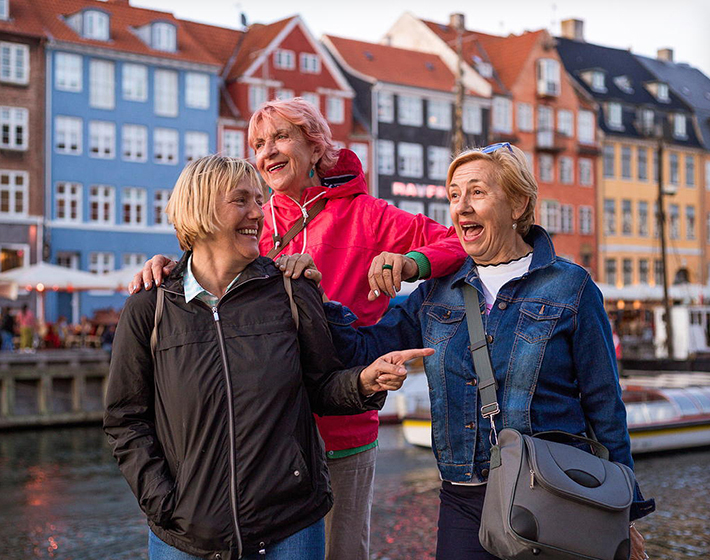
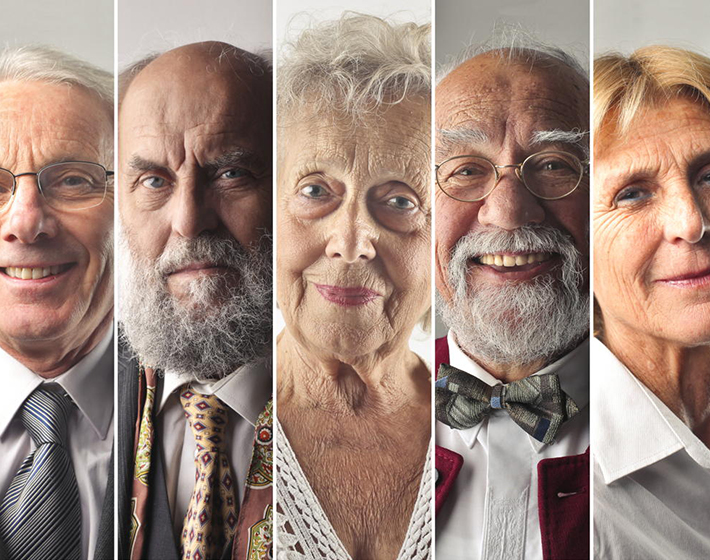
With the earliest Boomers now approaching their 80th birthday, they’re driving change in the same way they have driven social change for decades. As they look to their future, they’re making decisions based on their identity, independence, and lifestyle. But as a cohort of 76.4 million, the one sure thing is that every Boomer sees themselves as an individual. Given that, this generation is more active than their parents, more selective in demanding wellness-driven and culinarily diverse communities. And unlike their parents, they demonstrate preferences for more varied entrance-fee options and types of contracts.
The survey also found Boomers place more emphasis on lifestyle-oriented features such as pet friendliness, outdoor recreation, and personal development. They want natural light, social and quiet spaces. They are more focused on experience, engagement, and purpose.
For this generation, the marketing message focused on “lifestyle” will resonate more persuasively than one addressing “care” or “healthcare.” As one respondent noted, “Take away the wrinkles and we’re all young in heart and spirit.”
Decision Makers are Changing
Historically, the decision to choose senior living was frequently guided by the adult child. But the study reveals this has become much more nuanced. Many respondents emphasized personal agency and individual preference as they chose a senior community. Boomers frequently framed their choice as a personal decision rather than a choice driven by family members. Approximately 20% of Baby Boomers have no biological children. For those with no children and no nearby relatives, senior living is an attractive option.
The survey identified key reasons Boomers cited as to why they hesitated to choose senior living. These include:
- Distance from family
- Unwillingness to downsize
- Concerns about the cost
- Loss of current lifestyle
- Living among people they can’t relate to
Forward-thinking communities recognize the importance of an exceptional initial experience for new residents. They are revamping their onboarding experience to ensure every early interaction reflects the level of excellence the new resident expects. And as the number of residents without children increases (1 in 5 Boomers never had children), communities need to proactively plan for long-term support, intentional outreach, and relationship-building early in each resident’s journey.
Digital Matters
Seniors have conquered the digital world. Their use of the internet as a primary source of information underscores the importance of a strong digital presence. Community websites, social channels, and online reputation management are vital ways your audience learns about your community. Leveraging these digital tools to tell your story offers a smart way to enhance the resident experience.
Financial Security Drives Action
When seniors feel confident in their financial situation, they are more likely to choose a community in lieu of aging in place. Perceived financial security and not health status shapes their decision. But all too often communities are shy about discussing financial concerns openly.
The survey also revealed more than half of respondents reported assets above $1 million. But 40% of Boomers rely solely on Social Security. For the affluent, senior living offers a comprehensive opportunity for those who wish to remain as independent as long as they can. This means it’s more critical to reach out to a financially qualified audience. A modeled list from Sabal is the best way to target the right audience. A recent event at Bella Vida focused on what’s next in senior living planning drew a standing room audience of 100. This level of engagement demonstrates seniors will show up when offered clarity, alignment, and practical strategies to navigate asset protection as they age.
Hospitality Drives Conversions
A central finding of the study reveals senior living is evaluated by your audience as a holistic lifestyle experience and not just a care solution. Your audience expects to experience connection, engagement, and an overall welcoming environment instead of a clinical or service-based situation. Seniors expect autonomy, independence, and support as they choose it. Health and wellness are integral to their lifestyle. When they decide, functions such as cost/value, communication, and trust are filters, not critical factors.
Investing in social connection, engaging environments, and meaning experiences position a community to deliver the vital hospitality critical to conversions.
Model Expectations
The 2025 Holleran survey makes clear industry assumptions based on their success with the Silent Generation and the expectations of their growing Baby Boomer audience must be realigned. For marketing teams willing to pivot, leveraging predictive modeling and high-quality data can be the difference maker. Modeled data gives you the ability to identify:
- Who is financially ready to move
- Who is motivated by lifestyle vs care models
- Who is actively researching senior living
- Who is a solo senior and who has family
With modeled data, your team can segment your best look-alike audience to deliver:
- More relevant messaging
- More prudent use of marketing spend
- More sales outcomes with higher quality leads
Organizations that align their audience strategy, data strategy, and messaging are in the best position for growth. Those willing to embrace this inflection point understand the value of shifting from a reach-as-many-as-possible mentality to a smarter engage-with-the-individuals-most-likely-to-choose-us approach. That shift is where meaningful results will happen.
If you’re ready to embrace this shift, it’s time to reach out to Maribeth or Angela. Ask them how Sabal’s data can make the difference in your next campaign.
Study Sponsors
Sabal Strategy joins the following companies as proud sponsors of this study.